
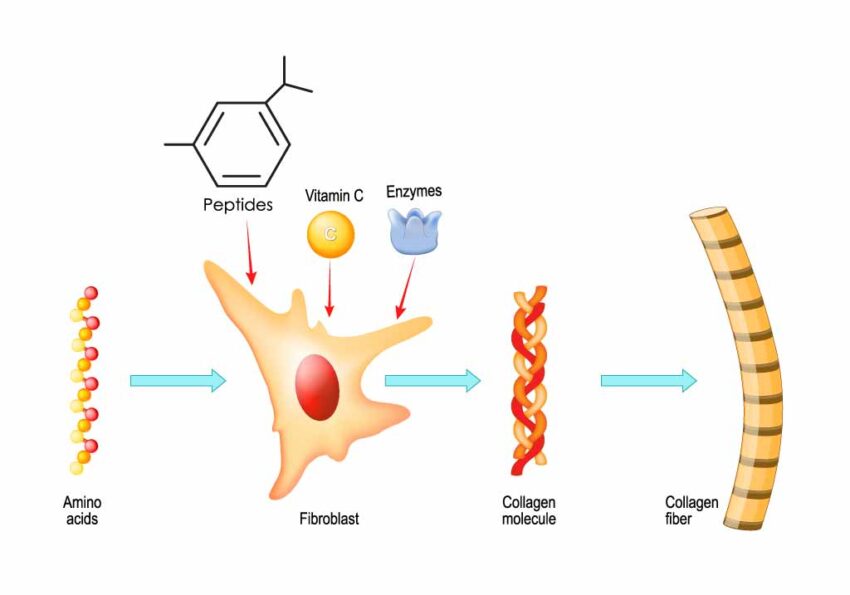
Peptides are short chains of amino acids that take part in many important processes in the human body. They help transmit signals between cells, influence metabolism, tissue recovery, and the functioning of individual systems. Various peptide products can be selected on the website https://pharma-global.shop/, which features a specialized store with products in this category. At the same time, it is important to understand that peptides differ in composition, purpose, and mechanism of action, so the characteristics of a specific substance must be taken into account before use.
What Peptides Are
Peptides are based on amino acids — the same compounds the body uses to build proteins. The main difference is the length of the chain: peptides usually consist of several or several dozen amino acids connected by peptide bonds.
By size, they are conventionally divided into several groups:
- oligopeptides — short chains made up of a small number of amino acids;
- polypeptides — longer molecules;
- peptide hormones — compounds that regulate certain processes in the body.
There is not always a clear boundary between a large peptide and a small protein. In biochemistry, attention is usually paid not only to the number of amino acids, but also to the structure and functions of the molecule.
How Peptides Work in the Body
Many peptides act as a kind of biological signal. They bind to specific cell receptors and trigger the required response. Thanks to their high selectivity, one peptide may primarily affect a particular process.
The mechanism of action can be described step by step:
- The peptide is produced in the body or enters it from an external source.
- The molecule reaches cells that have suitable receptors.
- The peptide interacts with the receptor.
- The cell receives a signal and changes its activity.
This is how appetite, the levels of certain hormones, recovery processes, and many other functions are regulated. At the same time, the effect depends on the specific molecule, its dosage, method of administration, and the condition of the body.
What Functions Peptides Perform
Peptide compounds are involved in virtually all systems of the body. They can work independently or be part of complex chains of biochemical reactions.
The best-known areas of their action include:
- regulation of hormonal processes;
- transmission of signals between cells;
- participation in the immune response;
- control of appetite and energy metabolism;
- influence on tissue recovery processes;
- participation in the functioning of the nervous system.
For example, insulin contains 51 amino acids and regulates blood glucose levels. Other peptide hormones are responsible for hunger, satiety, or the transmission of hormonal signals.
Why Different Peptides Should Not Be Considered the Same
One common mistake is to treat the term “peptides” as the name of a single substance. In reality, this is a huge group of molecules with completely different properties. Some compounds are naturally produced by the body, while others are created for medical or research purposes.
When selecting and using peptide products, it is necessary to consider:
- the evidence supporting the action of the specific compound;
- indications and contraindications;
- dosage and duration of use;
- compatibility with medications;
- possible adverse reactions.
It is especially important to be cautious with products that affect the hormonal system, body weight, or metabolism. Changing the dosage independently may not only reduce the expected effect, but also lead to unwanted reactions.
Peptides are an important part of the body’s natural regulatory system: they transmit signals, regulate metabolic processes, and participate in the functioning of various organs. At the same time, the properties of each compound need to be considered separately. Understanding the mechanism of action, composition, and evidence base helps distinguish promising peptide technologies from unsupported claims and encourages a more responsible approach to their use.